10 unforgettable European campervan road trips for 2026
European campervan road trips in 2026 are about slowing down, choosing the right routes, and travelling in a campervan that is genuinely built for longer journeys. From coastal drives like the Amalfi Coast and Portugal’s Estoril Coast to mountain routes such as Trollstigen and the Route des Grandes Alpes, Europe offers unforgettable touring experiences when you plan properly. This guide highlights ten of the best campervan-friendly road trips, with official tourist links for each destination, helping you plan confidently, travel comfortably, and make the most of campervan ownership.
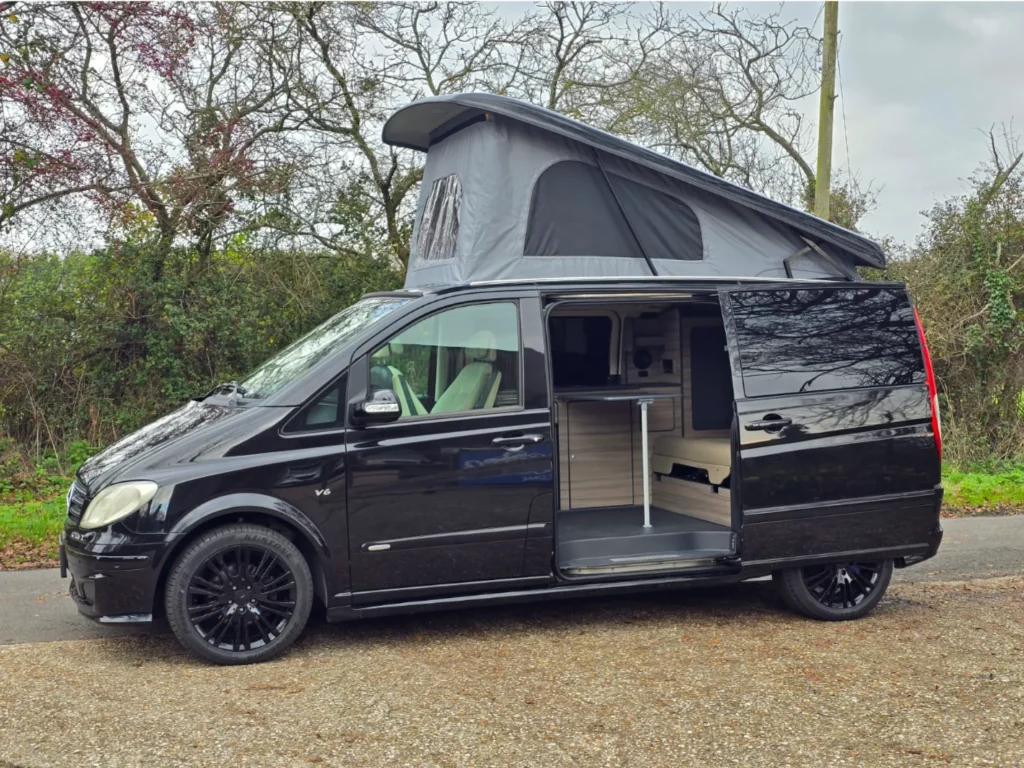
European campervan road trips for 2026 are all about freedom, flexibility, and choosing routes that reward you for slowing down. At Free Spirit Campervans, we speak to buyers every week who are planning their first trip abroad, or upgrading their plans now that they own a campervan that is genuinely comfortable for longer journeys.
A well-planned road trip is not about ticking boxes. It is about scenery that unfolds mile by mile, stopping when you want to stop, and knowing your campervan is built for real touring. Below, we have pulled together ten European road trips that suit different travel styles, from gentle coastal cruising to dramatic mountain passes. Each one works beautifully in a properly converted campervan and offers something memorable rather than rushed.
If this is your first time taking a campervan abroad, our guide to preparing for European travel is a useful starting point:
https://freespiritcampervans.co.uk/tips-for-first-campervan-trip-in-the-uk/
1. Black Forest High Road, Germany
Often referred to as Route 500 or the B500, this drive through Germany’s Black Forest is ideal if you want an easy introduction to European touring. The road runs between Freudenstadt and Baden-Baden and is known for its smooth driving, sweeping forest views, and relaxed pace.
This route suits campervan travel perfectly. Distances are manageable, roads are well maintained, and there are plenty of places to stop without feeling hurried. The Black Forest itself is a mix of dense woodland, clear lakes, and traditional towns that still feel rooted in local life rather than mass tourism.
It works well as a two-to-three-day trip, but many travellers extend it and use it as a base for exploring southern Germany.
2. North Coast 500, Scotland
The North Coast 500 remains one of the most rewarding campervan routes in the UK, and for good reason. Starting and finishing in Inverness, this 500-mile loop takes in dramatic coastline, empty roads, and landscapes that change hour by hour.
What makes the NC500 special is not just the scenery, but the sense of space. You can park up by a loch, wake up to mist rolling across the water, and spend an entire day without seeing crowds. For campervan owners, Scotland’s responsible wild camping approach adds to the appeal, provided you follow local guidance.
We always recommend allowing at least seven days so the trip feels unrushed. Shorter itineraries tend to miss what makes this route special.
For inspiration on planning a longer UK route, this guide may help. Excellent for route planning, seasonal advice, and responsible camping guidance.
3. Les Corniches, France
Les Corniches offers three different coastal roads along the French Riviera, each with its own character. The lower road hugs the coastline and passes through lively seaside towns. The middle route climbs slightly higher and delivers broader views with more traffic. The upper route rises into the hills and offers dramatic viewpoints with fewer stops.
Travelling this area in a campervan allows you to experience the Riviera without being tied to expensive hotels or rigid schedules. Early mornings and quieter evenings are when this region feels most rewarding, especially if you avoid peak summer.
France is one of the easiest countries for campervan touring, thanks to its extensive aire network and well-signposted roads, making this an excellent choice for first-time European trips.
4. Amalfi Coast, Italy
The Amalfi Coast is a route that demands patience and confidence, but it rewards both generously. Narrow roads, sharp bends, and cliffside views mean this is best tackled outside peak summer months when traffic is lighter.
In a compact, well-converted campervan, this drive becomes far more manageable. Spring and early autumn offer the best balance of warm weather and calmer roads. The real joy here is not distance, but the rhythm of town-to-town travel, stopping for food, swimming, and unplanned detours.
Italian driving rules vary by region, so preparation matters, but for experienced travellers, this is one of Europe’s most memorable coastal routes.
5. Trollstigen, Norway
Trollstigen, also known as the Troll’s Road, is one of Europe’s most dramatic mountain drives. With hairpin bends, waterfalls, and steep climbs, it is a route that feels engineered into the landscape rather than imposed on it.
This road is only open seasonally, usually from late May, and conditions can change quickly. A well-maintained campervan with good visibility and confident handling makes a significant difference here.
Norway’s right to roam and well-organised camping culture means you can enjoy this region without constantly moving between campsites, which suits longer, slower journeys.
6. Route Napoléon, France
Route Napoléon follows the path taken by Napoleon in 1815 from the Mediterranean coast to the Alps. Today, it is a peaceful, scenic drive through villages, mountain passes, and river valleys.
This route is less about drama and more about flow. It suits travellers who enjoy history, varied scenery, and stopping regularly without pressure. In a campervan, it works beautifully as a week-long journey, combining alpine views with relaxed overnight stops.
France’s infrastructure makes this route easy to navigate without constant planning, which allows you to focus on the experience rather than logistics.
7. Estoril Coast Drive, Portugal
Running from Lisbon towards Sintra, the Estoril Coast Drive offers ocean views, historic towns, and a climate that suits campervan travel almost year-round. Roads are generally wide, signage is clear, and driving feels relaxed compared to busier European regions.
This route works well as part of a longer Portuguese tour or as a standalone coastal escape. Allowing time to stop in Sintra is essential, as it offers architecture and scenery that feel almost unreal.
Portugal continues to grow in popularity with campervan owners, but it still offers space and simplicity when approached at the right pace.
8. Ring of Kerry, Ireland
The Ring of Kerry is a loop that captures much of what makes Ireland special. Green landscapes, rugged coastline, and small towns that feel genuinely lived in rather than staged.
Driving clockwise helps avoid tour traffic, and a campervan allows you to stay close to the quieter parts of the route. Three to four nights works well, giving time to explore without rushing.
Ireland’s hospitality extends naturally to campervan travellers, and this route remains one of the most welcoming for relaxed touring.
9. Route des Grandes Alpes, France
The Route des Grandes Alpes crosses multiple mountain passes and national parks, offering some of the highest and most scenic driving in France. Despite the elevation, roads are well engineered and clearly marked.
This is a route that suits families and travellers who want dramatic scenery without extreme driving challenges. Campsites are frequent and well spaced, making planning straightforward.
It is best enjoyed slowly, with short driving days and plenty of stops to appreciate the landscape.
10. Klausen Pass, Switzerland
The Klausen Pass offers a quieter alternative to Switzerland’s busier alpine routes. Connecting Altdorf and Linthal, it winds through forests and open mountain terrain with far less traffic than nearby highways.
This route is ideal for experienced drivers who enjoy technical roads without constant congestion. It works well as a short addition to a wider Swiss itinerary rather than a standalone trip.
As with all alpine routes, checking conditions before travel is essential.
Swiss national and alpine travel information. Reliable for alpine road conditions, seasonal closures, and regional highlights.
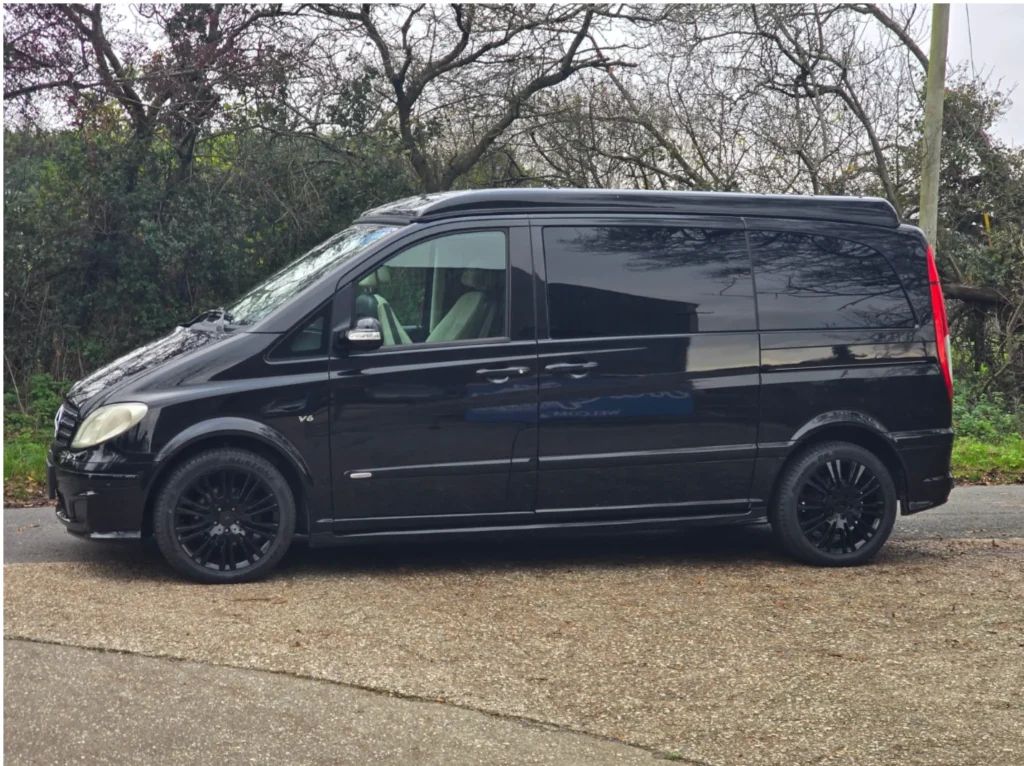
Planning your European campervan journey
A successful European road trip starts with the right campervan. Comfort, heating, storage, and reliability all matter far more once you cross borders and settle into longer journeys. At Free Spirit Campervans, we specialise in campervans built for real travel, not just weekend escapes.
European road trips reward preparation, but they also reward flexibility. Choose a route that suits your pace, allow room for change, and let the journey shape itself as you go. That is where campervan travel truly comes into its own.
Free Spirit Campervans
Phone: 01243 649087
You can explore our current campervan stock, read more travel guides, or get in touch directly. If you would prefer to speak to a member of the team, just give us a call and we will be happy to help.
FAQs for 10 unforgettable European campervan road trips for 2026
1. What makes a European campervan road trip ideal in 2026?
European campervan road trips in 2026 suit travellers who want flexibility, slower travel, and the ability to explore beyond busy tourist hubs. With improved road infrastructure, campervan-friendly facilities, and growing awareness of responsible travel, Europe remains one of the best regions for long-distance campervan touring.
2. Which European road trip is best for first-time campervan travel?
Routes such as the Black Forest High Road in Germany and the Estoril Coast Drive in Portugal are excellent for first-time campervan travellers. Roads are well maintained, distances are manageable, and signage is clear, which helps build confidence when driving abroad.
3. How long should I allow for a European campervan road trip?
Most European campervan road trips are best enjoyed over five to ten days, depending on the route. Mountain and coastal drives reward shorter driving days and more overnight stops, while longer itineraries allow you to explore regions without rushing.
4. Is the North Coast 500 suitable for campervan owners?
Yes, the North Coast 500 is well suited to campervan travel when approached responsibly. Allowing at least seven days helps reduce pressure, avoids overcrowding, and gives time to enjoy the landscape while respecting local guidance on parking and overnight stops.
5. Are mountain routes like Trollstigen safe in a campervan?
Mountain routes such as Trollstigen are safe when driven in suitable conditions and with a well-maintained campervan. These roads are seasonal, weather dependent, and best tackled by confident drivers who check conditions in advance and travel at a steady pace.
6. When is the best time of year to take a European campervan road trip?
Late spring and early autumn are ideal for most European campervan road trips. Roads are quieter, temperatures are comfortable, and many alpine and coastal routes are fully open without peak-season congestion.
7. Can I take a right-hand-drive campervan on European roads?
Yes, right-hand-drive campervans are commonly used across Europe. Routes with wide roads and clear layouts, such as those in Germany, France, and Portugal, are particularly comfortable for UK drivers travelling abroad for the first time.
8. Do I need special preparation before taking my campervan abroad?
Preparing your campervan for European travel includes checking documentation, insurance cover, safety equipment requirements, and understanding local driving rules. Comfort features such as heating, storage, and reliable electrics also become more important on longer trips.
9. Which European road trips suit slower, relaxed travel?
Routes such as Route Napoléon, the Ring of Kerry, and the Route des Grandes Alpes suit travellers who prefer a steady pace with frequent stops. These journeys focus on scenery, culture, and experience rather than covering long distances each day.
10. Why does campervan choice matter for European road trips?
European road trips often involve varied terrain, longer driving days, and overnight stays in different climates. A campervan designed for real touring, with proper insulation, heating, and storage, makes these journeys more comfortable and enjoyable throughout the year.