Nissan Elgrand vs VW Camper Conversion. Which makes more sense for modern campervan travel?
Choosing between a VW Camper conversion and a Nissan Elgrand campervan comes down to how you want to travel today. While the VW Camper remains an icon of nostalgia, the Nissan Elgrand offers modern comfort, reliability, space, a lower price tag, and usability that better suits real-world campervan ownership in 2026. For drivers seeking effortless touring, year-round comfort, and stress-free journeys, the Elgrand is increasingly the practical and enjoyable choice.
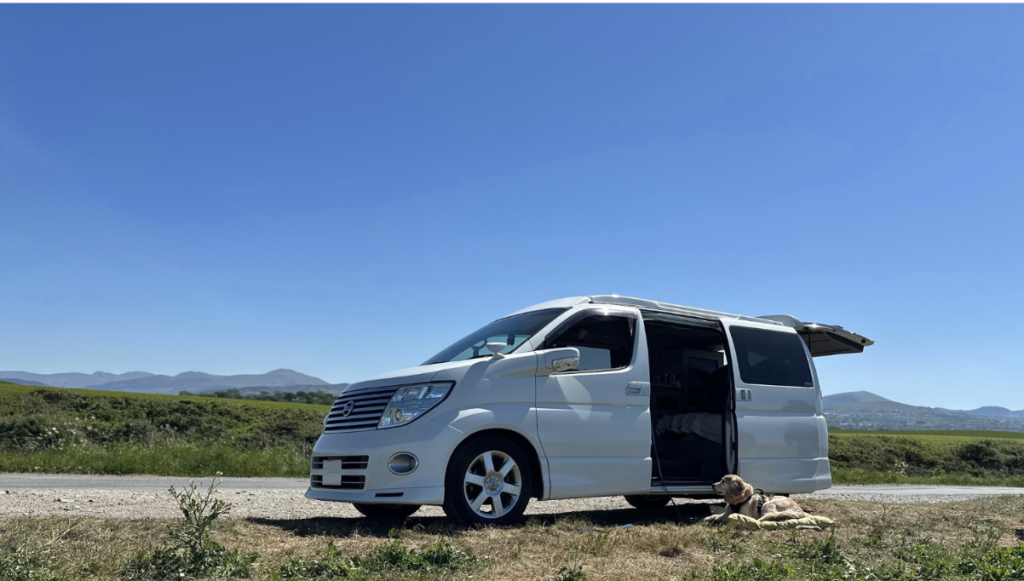
For many people, the idea of owning a campervan starts with a picture in their head. Often, that picture includes a classic VW Camper parked by the coast, surfboard nearby, doors open to the sunset. It is an image deeply rooted in travel culture and one that has shaped generations of adventurers.
But when it comes to actually owning, driving, and living with a campervan today, nostalgia does not always translate into the best experience. At Free Spirit Campervans, we speak to people every week who are deciding between a VW Camper conversion and a Nissan Elgrand campervan. What we see time and again is a shift in priorities from image to usability.
This comparison is not about criticising the VW Camper. It is about understanding how modern campervan travel has evolved, and why the Nissan Elgrand has become such a popular choice for real-world touring.
The enduring appeal of the Volkswagen Camper
There is no denying the cultural impact of the Volkswagen Camper. First introduced in the 1950s, it became a symbol of freedom, creativity, and exploration. Its compact size, recognisable shape, and pop-top roof made it accessible and distinctive, helping it build one of the most loyal followings in automotive history.
For many, the VW Camper is not just a vehicle, it is an emotional choice. That emotional connection is powerful, and for some owners it will always outweigh practical considerations.
However, most VW Camper conversions on the road today are based on older vehicles, even when they have been restored or reworked. That age brings limitations that modern buyers need to be aware of, particularly when planning longer trips or year-round use.
Issues such as limited interior space, lower insulation levels, older engines, and reduced comfort and safety on long journeys can start to impact enjoyment. While these factors may be manageable for short summer trips, they often become more noticeable over time.
How campervan expectations have changed
Campervan travel in 2026 looks very different to how it did decades ago. People are no longer just looking for somewhere to sleep. They want a vehicle that can handle long motorway drives, rural roads, changing weather, and modern lifestyles.
Many owners now use their campervan for:
- Weekend breaks and longer tours
- Comfortable driving across the UK and Europe
- All-season travel rather than summer-only use
- A balance of driving, relaxing, and living in the space
This shift is where newer base vehicles, like the Nissan Elgrand, come into their own.
Why the Nissan Elgrand suits modern campervan travel
The Nissan Elgrand was designed from the outset as a premium people carrier. That design philosophy translates exceptionally well to campervan conversion.
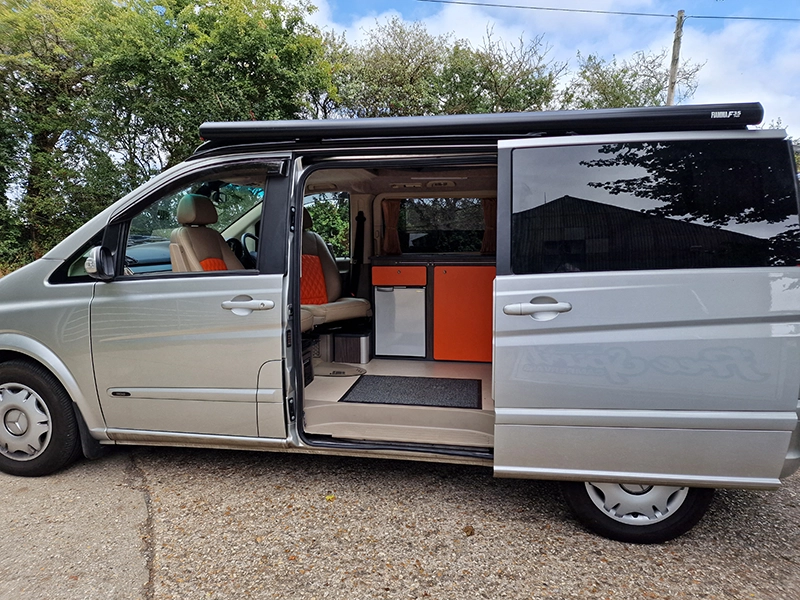
Unlike older vans, the Elgrand offers a naturally spacious and refined interior. There is room to create a well-laid-out living space without compromise, allowing for comfortable seating, a practical kitchenette, and a proper sleeping setup that does not feel squeezed.
From a driving perspective, the Elgrand feels closer to a high-quality car than a commercial vehicle. It is quiet, smooth, and stable, which makes long journeys far more enjoyable and far less tiring.
Reliability is another major factor. The Elgrand has built a strong reputation for durability and longevity, supported by robust engineering and dependable engines. This gives owners confidence whether they are heading out for a weekend or planning a longer European route.
Comfort and features that make a real difference
One of the biggest differences between a VW Camper and a Nissan Elgrand conversion is how comfortable the Elgrand feels as a place to spend time.
Modern conveniences that are standard or easily integrated into Elgrand conversions include:
- Effective climate control front and rear
- Comfortable, supportive seating
- Electric windows parking cameras and refined cabin controls
- High-quality sound systems
- Better insulation for year-round use
These are not luxury extras, they are features that make trips easier, calmer, and more enjoyable, especially when travelling for more than a night or two.
Space without sacrificing driveability
A common misconception is that more space means a bigger, harder-to-drive vehicle. The Nissan Elgrand proves that this does not have to be the case.
Despite its generous interior, the Elgrand remains easy to handle on the road and in everyday driving situations. It fits comfortably into standard parking spaces and feels confident on both motorways and smaller roads.
This balance of space and manoeuvrability is one of the reasons it works so well as a campervan base vehicle.
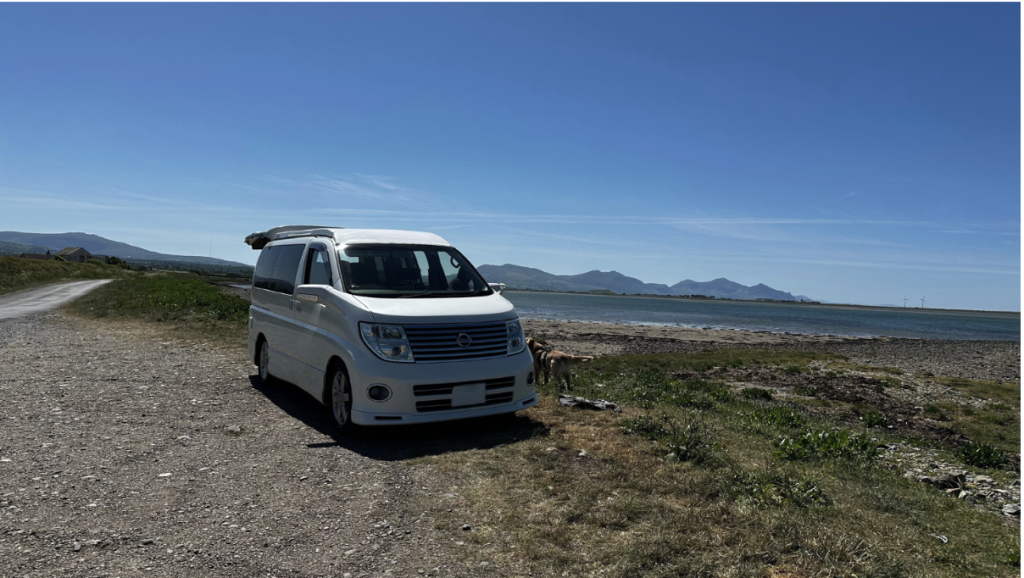
Why more buyers are choosing the Elgrand over VW
For many buyers, the decision ultimately comes down to how they want their campervan to fit into their life.
Those who choose the Nissan Elgrand often do so because they want:
- Less stress on long drives
- More comfort in all seasons
- A layout that feels usable rather than nostalgic
- A campervan that works just as well for short breaks as longer tours
The VW Camper still has its place, but it increasingly appeals to a specific type of owner who prioritises heritage over convenience. The Elgrand, on the other hand, appeals to people who want their campervan to work effortlessly.
Viewing campervans in person matters
Specifications and comparisons are helpful, but nothing replaces seeing and experiencing a campervan in person. Layout, seating comfort, driving position, and overall feel are all highly personal.
At Free Spirit Campervans, we stock a wide range of vehicles and encourage customers to take their time, ask questions, and explore what genuinely suits their travel plans.
Final thoughts from Free Spirit Campervans
Choosing between a VW Camper and a Nissan Elgrand is not about right or wrong. It is about choosing the campervan that best supports the way you actually want to travel.
For many modern owners, the Nissan Elgrand offers a more comfortable, reliable, and enjoyable experience, without losing the sense of freedom that makes campervan ownership so appealing or breaking the bank.
If you are considering your options and would like honest, practical advice, we are always happy to help.
Free Spirit Campervans
📍 The Grain Store, Brimfast Lane, Sidlesham Common, Chichester, West Sussex, PO20 7PZ
📞 01243 649087
✉️ info@fscltd.co.uk
FAQs about Nissan Elgrand vs VW Camper Conversion
1. What is the main difference between a Nissan Elgrand campervan and a VW Camper conversion?
The main difference is usability versus nostalgia. A VW Camper conversion offers heritage appeal and a classic image, while a Nissan Elgrand campervan provides modern comfort, better reliability, more interior space, and a smoother driving experience that suits everyday and long-distance travel in 2026.
2. Why are more people choosing the Nissan Elgrand over a VW Camper today?
Many buyers now prioritise value for money, comfort, ease of driving, and year-round usability. The Nissan Elgrand offers quieter motorway driving, better insulation, improved reliability, and a more practical living layout, making it better suited to how people actually travel today.
3. Is a VW Camper practical for modern campervan travel?
A VW Camper can still work for short, fair-weather trips, but many conversions are based on older vehicles. This can mean limited space, reduced comfort, older engines, and less insulation, which can affect enjoyment on longer journeys or all-season travel.
4. How does the Nissan Elgrand perform on long journeys?
The Nissan Elgrand is designed as a premium people carrier, so it feels closer to a high-quality car than a traditional panel van. It is quiet, stable, and comfortable on motorways and rural roads, making long journeys far less tiring.
5. Does the Nissan Elgrand offer more interior space than a VW Camper?
Yes. The Elgrand’s thoughtful interior proportions allow for a more usable campervan layout. This makes it easier to include comfortable seating, a practical kitchenette, and a proper sleeping arrangement without the space feeling cramped.
6. Are Nissan Elgrand campervans suitable for year-round use?
They are. With better insulation, effective climate control, and refined cabin design, Nissan Elgrand campervans are well suited to all-season travel; a 4×4 model is also available, rather than being limited to summer use only.
7. Is a Nissan Elgrand easy to drive and park?
Despite offering generous interior space, the Nissan Elgrand remains easy to handle. It fits into standard parking spaces, feels confident on narrow roads, and does not feel bulky or difficult in everyday driving situations, with factory fitted reverse and side cameras making parking a breeze.
8. Does choosing an Elgrand mean sacrificing the campervan lifestyle experience?
No. Owners still enjoy the freedom, flexibility, and sense of escape that campervan travel offers. The difference is that the Elgrand allows that experience to feel relaxed and effortless, rather than compromised by comfort or reliability issues.
9. Who is a VW Camper better suited to?
A VW Camper often appeals to buyers who value heritage, visual appeal, and emotional connection above practicality. For some owners, that nostalgic experience outweighs modern comfort considerations, particularly for occasional or summer-only trips.
10. How can I decide between a VW Camper and a Nissan Elgrand?
Seeing vehicles in person is essential. Layout, seating comfort, driving position, and overall feel vary greatly between models. Speaking with specialists such as Free Spirit Campervans and viewing campervans firsthand helps ensure the choice fits how you actually want to travel.