From Weekends to Six Months: How Buying a Free Spirit Campervan Changed Wendy’s Travel Mindset
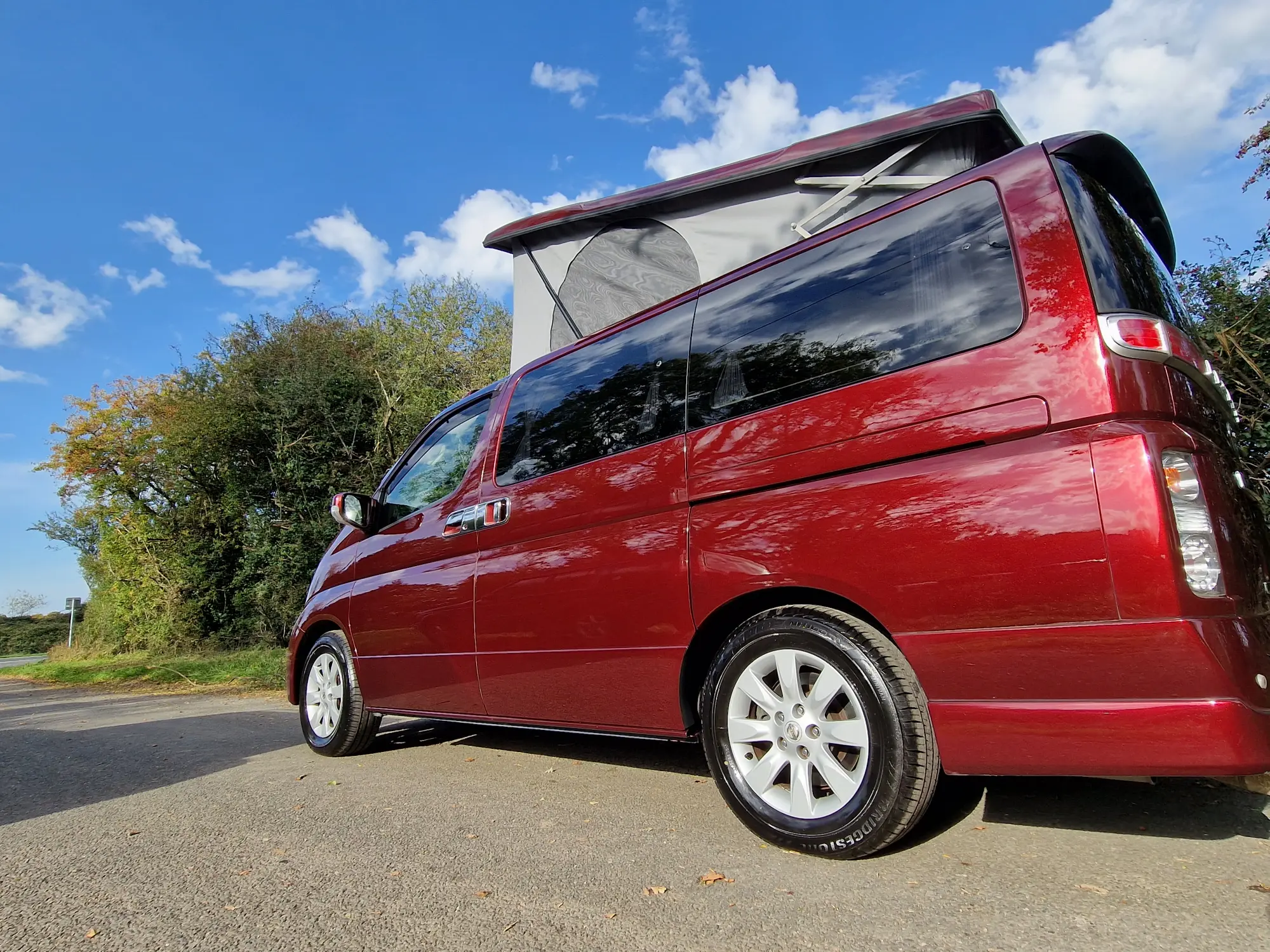
After buying a Free Spirit Campervan, a Nissan Elgrand factory fitted conversion, Wendy stopped thinking in terms of short breaks and began planning long, flexible European journeys. From four-week trips to France to a future six-month adventure in Eastern Europe, campervan ownership has completely reshaped how she approaches travel, costs, flexibility, and independence.
The Moment Travel Thinking Changed
Before buying a Free Spirit Campervan, Wendy’s trips followed a familiar pattern.
Flights. Hotels. Fixed schedules. Weekend breaks.
After Scotland and the North Coast 500, that mindset shifted.
“You think on a much longer timescale,” she explains. “You don’t just do weekends away anymore.”
Owning a campervan changes more than transport. It changes perspective.
Instead of asking, “Where can I fly to for four days?” the question becomes, “Where can I drive to for four weeks?”
The Tortoise Philosophy
Wendy describes campervan travel beautifully.
“It’s like a tortoise. You’ve got your home with you.”
This is one of the most powerful differences between campervan travel and hotel-based holidays.
With hotels:
- You pack and unpack repeatedly
- You return to a fixed base each night
- You are tied to check-in and check-out times
- You pay per night
With a campervan:
- Everything has its place
- You stop when you want
- You extend your stay easily
- You move at your own pace
This flexibility has led Wendy to take much longer trips than she ever did before.
Extending Trips Across Europe
She has travelled to the south of France more than once.
“When I go, I go for about four weeks,” Wendy says.
Driving rather than flying removes the pressure of short stays. Once you have made the journey, staying longer makes sense.
Accommodation costs remain controlled because you are not paying nightly hotel rates.
The ability to cook breakfast and lunch in the campervan further reduces expenses, while still allowing for meals out when desired.
This financial flexibility is one reason long-term campervan travel is becoming increasingly popular across the UK.
Planning Less, Doing More
Interestingly, Wendy says she plans less now.
“You do less planning, but more doing.”
That might sound contradictory, but it reflects a shift toward flexibility.
She can book ferry tickets when needed. Information on ferry routes from the UK to mainland Europe can be found here.
She arranges the necessary European Health Certificate for the dog before departure.
After that, much of the journey unfolds organically.
She uses campsite and parking apps and can rely on experience from previous trips. She follows weather patterns rather than rigid itineraries.
That level of adaptability is difficult to achieve with flights and prepaid hotel reservations.
Travelling With a Dog Changes the Equation
Wendy travels with a cocker spaniel.
Taking a dog abroad by air can be complex, expensive and stressful.
With a campervan, it becomes straightforward.
The dog travels in familiar surroundings. Bedding stays consistent. The environment remains controlled.
“It’s very easy to take a dog in a campervan,” she says. “More room. More comfort.”
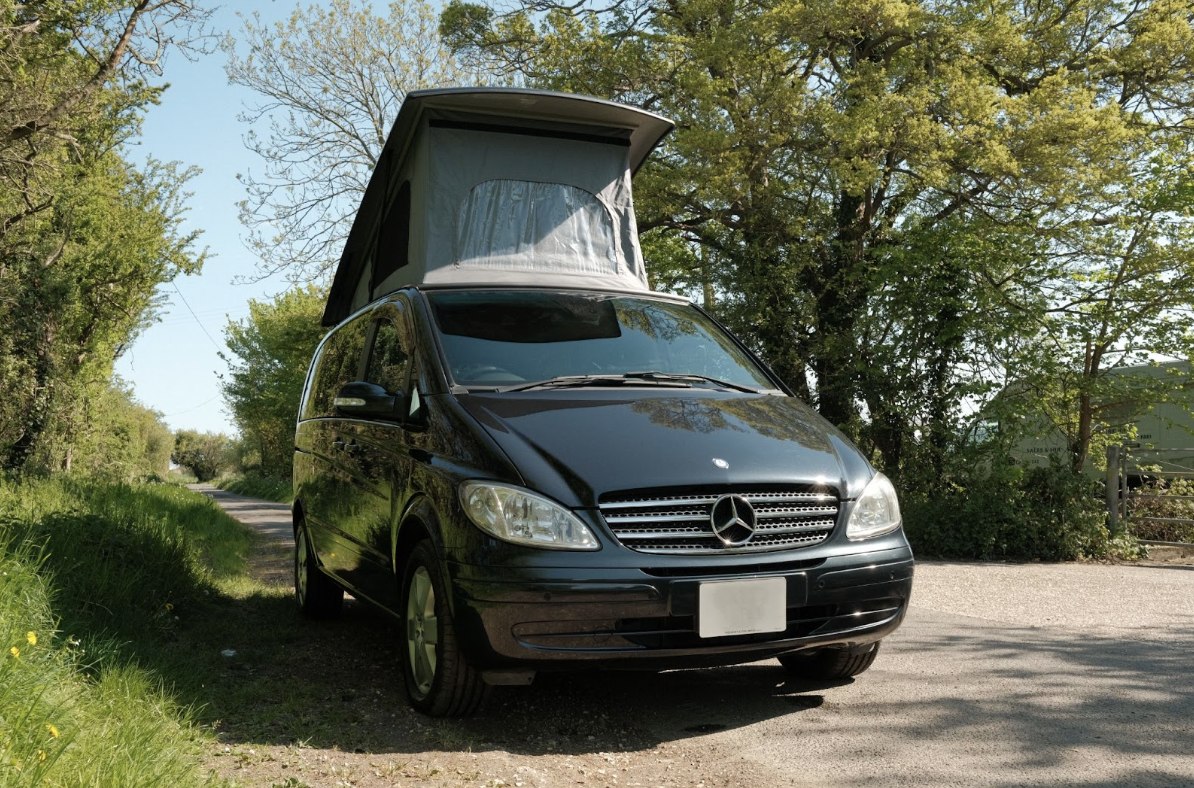
She parks in shaded areas during warmer weather and uses the pop-top ventilation to allow airflow, curtains help regulate temperature for short periods when necessary.
For pet owners, this is often the deciding factor in choosing campervan travel over traditional holidays.
From Cities to the Countryside
Another major change has been the type of places she prioritises.
“You go into the countryside more,” Wendy explains. “Lakes, villages, chateaus, rivers.”
Instead of city hopping, she now gravitates toward:
- Mountain regions
- Coastal roads
- Lakeside pitches
- Rural hiking routes
Rather than booking a hotel in one location and commuting from there, she moves between scenic areas, staying overnight wherever feels right.
Moving at your own pace, day by day, makes each destination feel more personal.
The Routine That Enables Long-Term Travel
Extended travel only works when daily living is efficient.
Wendy describes reaching a point where everything became second nature.
“Once you’ve got the routine, you can set everything up in 10 or 15 minutes.”
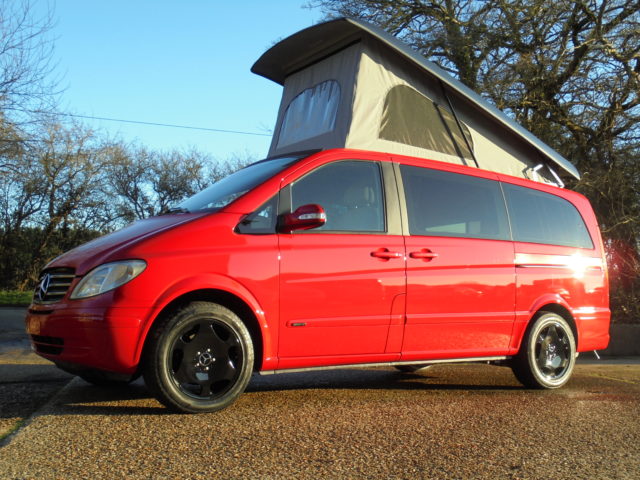
Arrive. Pop the roof. Swivel the seats. Put the kettle on and get the chairs out!
That rhythm reduces friction. It makes living in a campervan sustainable over weeks rather than days.
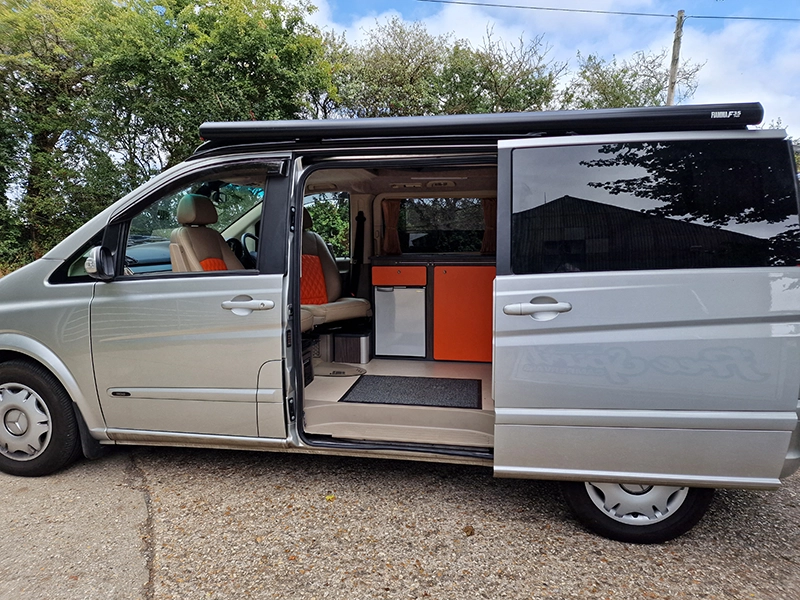
This is where professional factory fitted campervan conversion matters. A well-designed layout ensures:
- Efficient storage
- Logical kitchen positioning
- Easy access to electrics
- Quick bed setup
- Practical seating
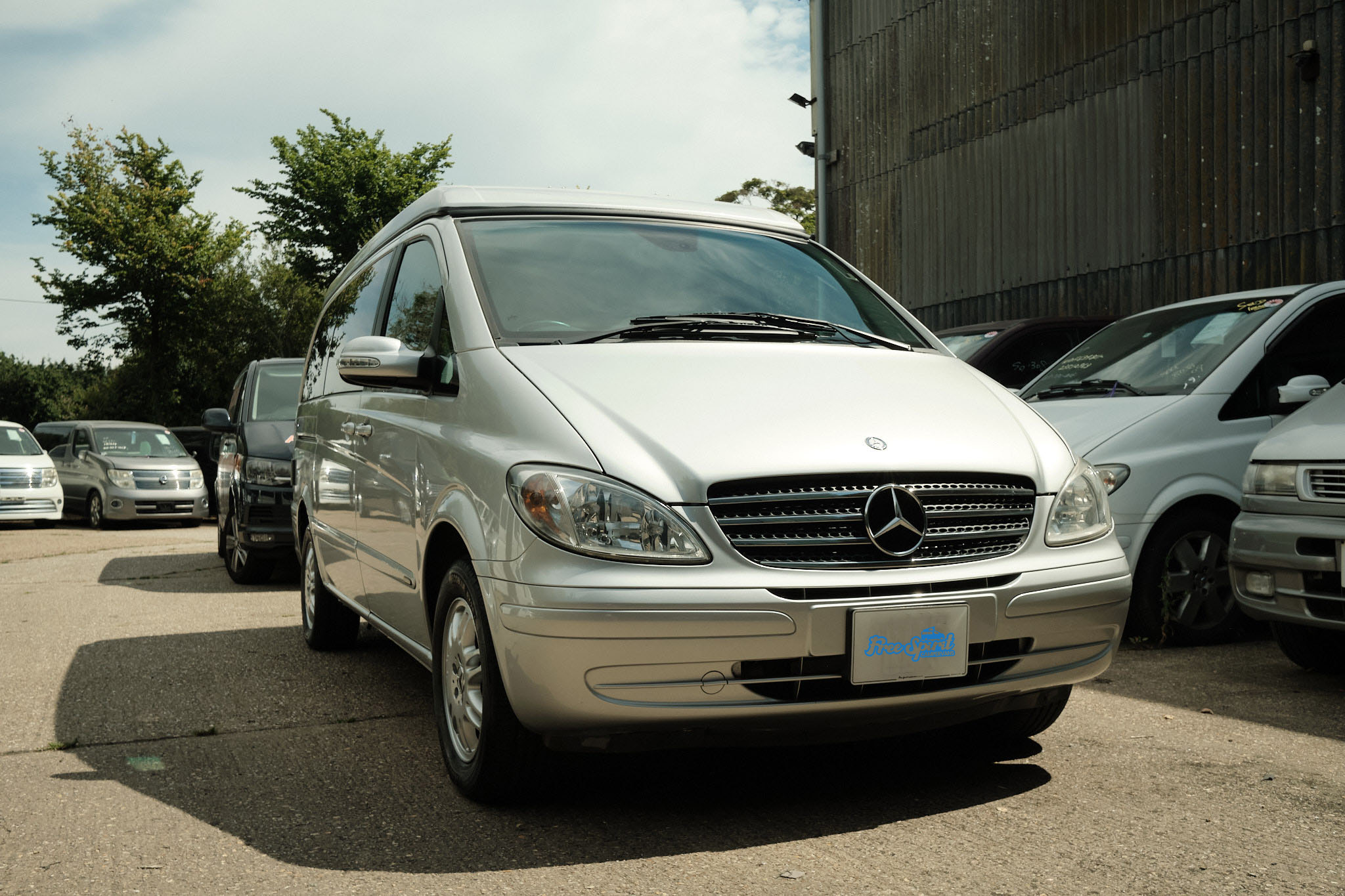
Her Free Spirit campervan is based on the reliable Nissan Elgrand platform, which offers smooth automatic driving and comfortable seating for longer distances.
The driving experience is important when you are covering hundreds of miles across Europe.
Thinking in Months, Not Days
Perhaps the most telling change is Wendy’s current ambition.
“I’m planning a six-month trip,” she says.
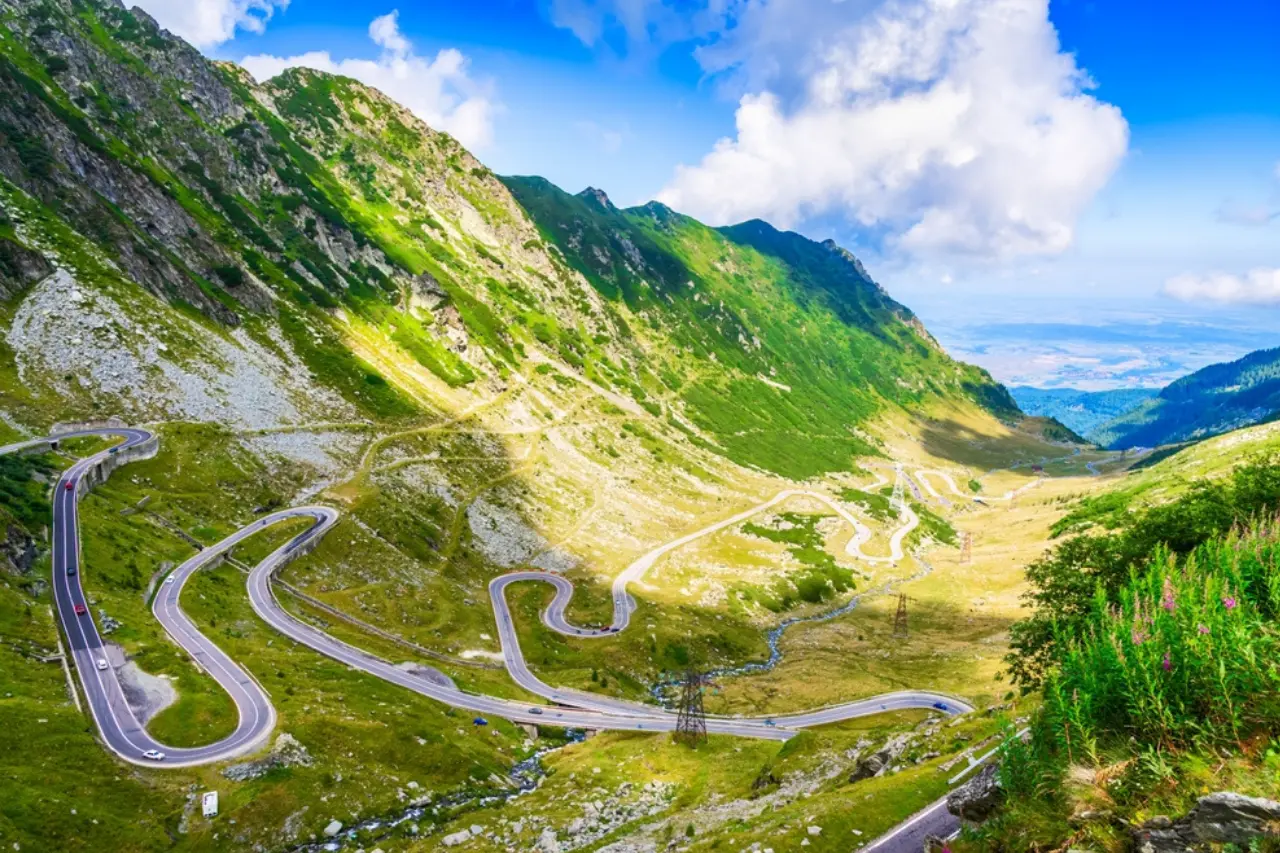
Eastern Europe. Romania. Bulgaria. The Balkans.
These destinations require time. They reward slow travel.
A campervan makes this possible by integrating accommodation and transport.
When you are not tied to nightly hotel costs or return flights, travel becomes open-ended.
Practical European Adaptation
Long-term travel also brings familiarity with local systems.
Wendy has learned about:
- Toll road tags across France, Italy and Spain
- German parking discs that indicate arrival time
- Different campsite categories
- Transit stop options versus full-service pitches
These practical lessons become second nature after the first few trips.
With each journey, you get more comfortable and more confident. The more you travel, the easier it becomes.
The Emotional Shift
When asked to finish the sentence “Owning the campervan feels like…”, Wendy responded:
“Freedom to go anywhere at any time.”
Another word she chose was “independence.”
This is the consistent theme across her story.
The campervan has provided more than just transport. It has provided autonomy.
The ability to change direction. To extend a stay. To detour through the mountains. To sleep under snow near a castle in Germany. To explore Andorra without hotel costs.
That is usually the moment when owning a campervan becomes part of everyday life, not just something you bought.
Why Free Spirit Campervans Support Long-Term Travel
At Free Spirit Campervans, our factory-fitted conversions are designed to support exactly this type of travel.
Key features include:
- Reliable base vehicles such as the Nissan Elgrand
- Professionally installed leisure battery systems
- Solar panel integration
- Forward-facing travel seats
- Compact but efficient kitchen layouts
- Pop-top roof ventilation
- Comprehensive handover training
- Ongoing servicing and support
Wendy’s story illustrates how those features combine in real-world use.
It is not about luxury excess. It is about practical design that works week after week, country after country.
In the final blog of this series, we explore Wendy’s reflections on value. Has the campervan paid for itself in experience? Would she recommend Free Spirit Campervans? And what advice would she give to someone sitting on the fence?
🚐 Free Spirit Campervans
Phone:
📞 01243 649087
Email:
📧 info@fscltd.co.uk
YouTube:
https://www.youtube.com/channel/UC2308Qn9L-p4gf5CvQZWgRg
FAQs: From Weekends to Six Months: How Buying a Free Spirit Campervan Changed Wendy’s Travel Mindset
1. Does owning a campervan really change how you plan holidays?
Yes. Many owners find they stop thinking in short breaks and start planning longer, slower trips. Because accommodation travels with you, it becomes easier to extend journeys from weekends to several weeks or even months.
2. How long can you realistically travel in a campervan across Europe?
With proper preparation, trips can range from a few weeks to several months. As long as your vehicle is well maintained and you manage costs carefully, extended European touring is entirely achievable
3. Is it cheaper to travel Europe by campervan than staying in hotels?
In many cases, yes. While there are fuel and campsite costs, you avoid nightly hotel rates, airport transfers, and frequent flights. Cooking some meals in the campervan also reduces daily spending.
4. Do you need to plan everything in advance when touring Europe in a campervan?
Not necessarily. Many experienced travellers book major crossings, such as ferries, but leave the rest flexible. Campsite apps and parking platforms allow for more spontaneous decisions.
5. Can you take a dog on long European campervan trips?
Yes. A campervan often makes travelling with a dog much easier than flying. The dog stays in familiar surroundings, and routines remain consistent. You will need the correct veterinary documentation before travelling.
6. Is it stressful driving long distances in a campervan?
It depends on the vehicle. A reliable, professionally converted base vehicle with good visibility and automatic transmission can make long European drives far more comfortable than many people expect.
7. What practical things do you need to learn before travelling Europe by campervan?
You will need to understand toll systems in countries such as France and Italy, parking rules like German time discs, and campsite types. Most of these become straightforward after your first trip.
8. Why do campervan owners tend to travel more in rural areas?
Because accommodation is mobile, travellers are not tied to city-centre hotels. This makes lakes, mountain regions, villages and countryside stops much more practical and appealing.
9. Is six months in Europe realistic in a campervan?
For many owners, yes. When accommodation and transport are combined in one vehicle, long-term travel becomes more financially manageable and logistically simple than repeated hotel stays and flights.
10. What makes a campervan suitable for long European journeys?
A dependable base vehicle, professionally installed electrics, solar charging capability, efficient storage, comfortable sleeping arrangements and proper handover training all contribute to confidence when travelling long distances.